Shareable Image
Constituent Assembly of India – the makers of the Indian Constitution
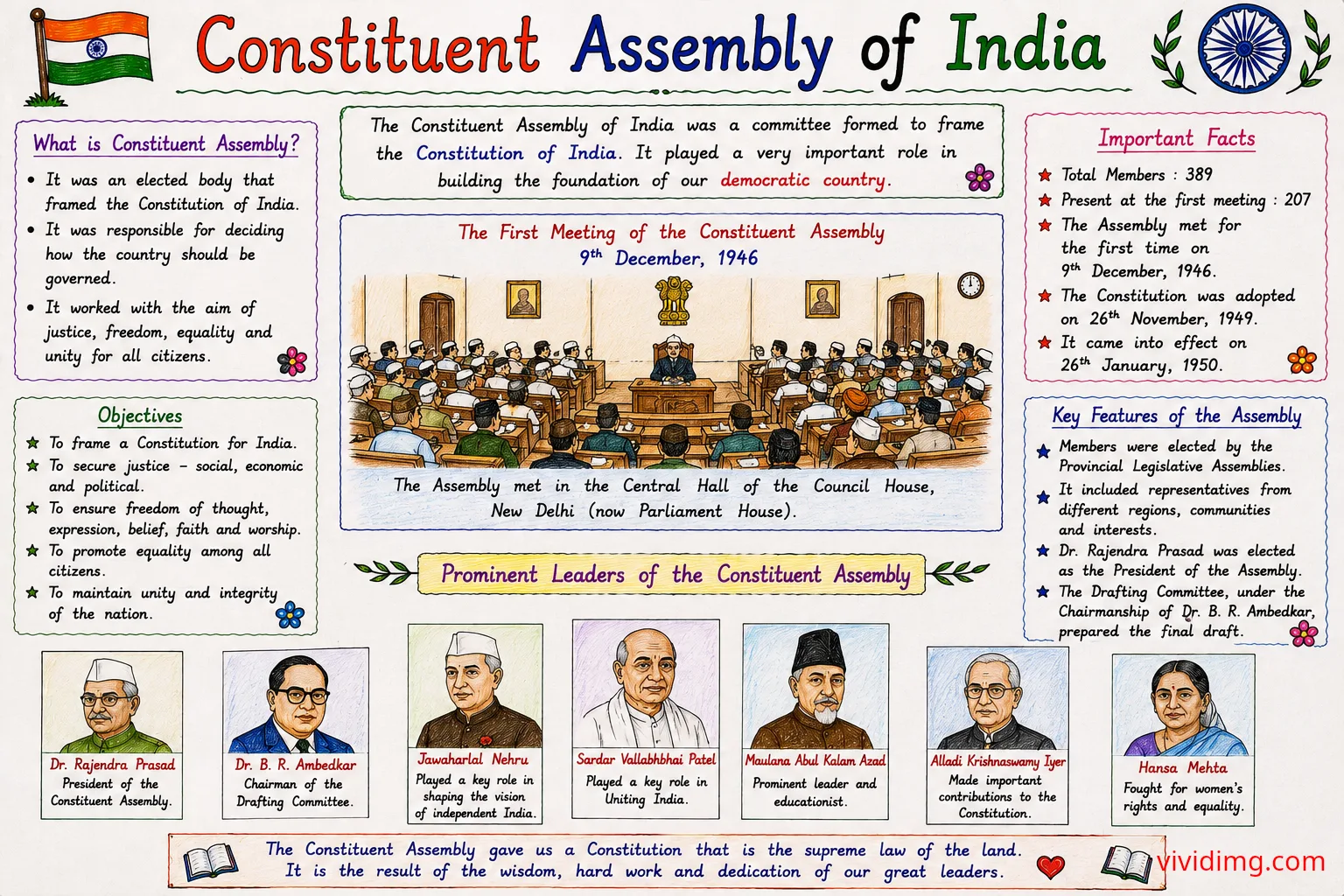
The Constituent Assembly of India was the historic body responsible for drafting and adopting the Constitution of India, laying the foundation for the world's largest democracy. Formed in 1946, the Assembly consisted of visionary leaders, legal experts, and representatives from different regions and communities who worked together to create a Constitution that would ensure justice, liberty, equality, and fraternity for every citizen. This handwritten educational infographic presents the Constituent Assembly in a simple, engaging, and student-friendly format.
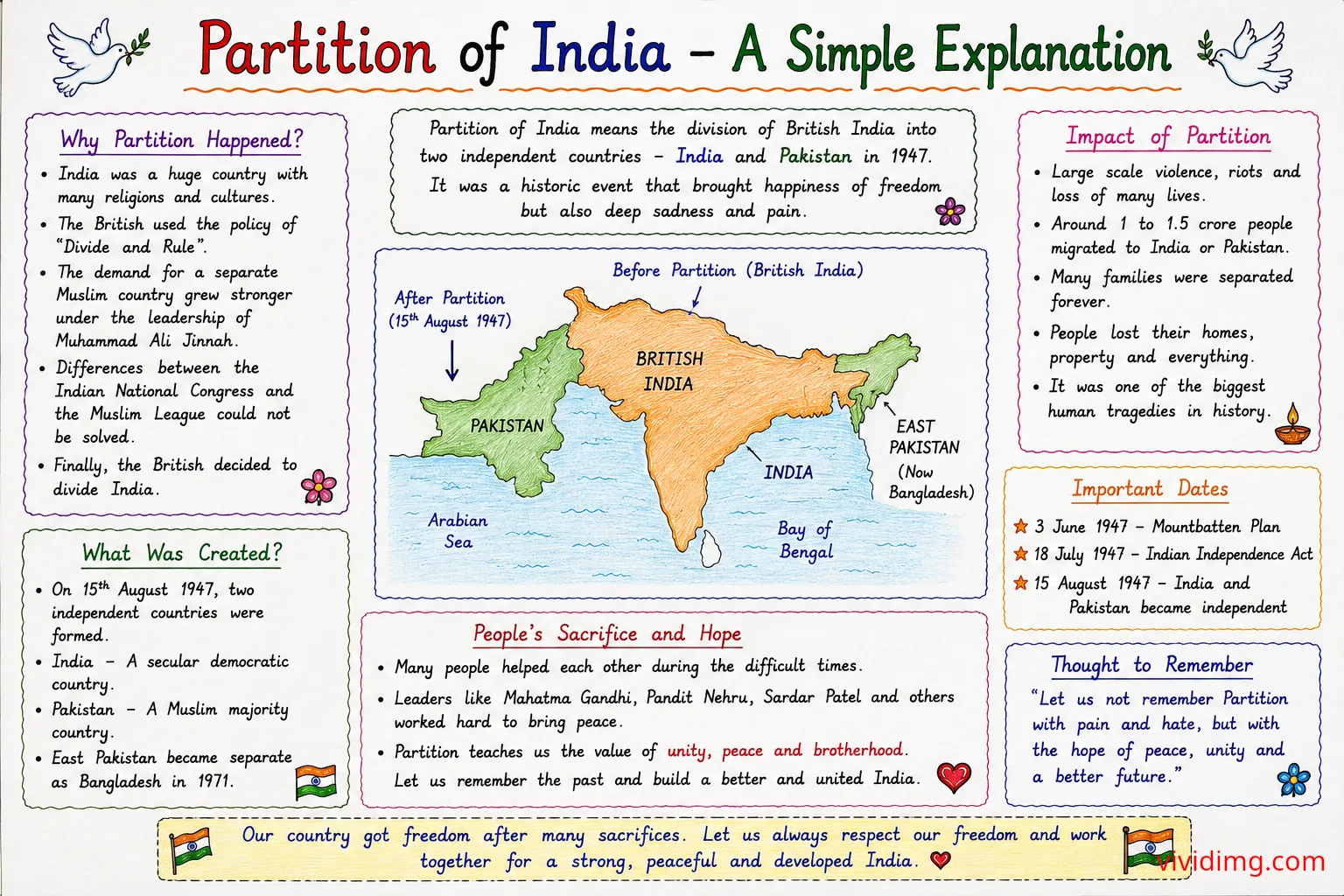
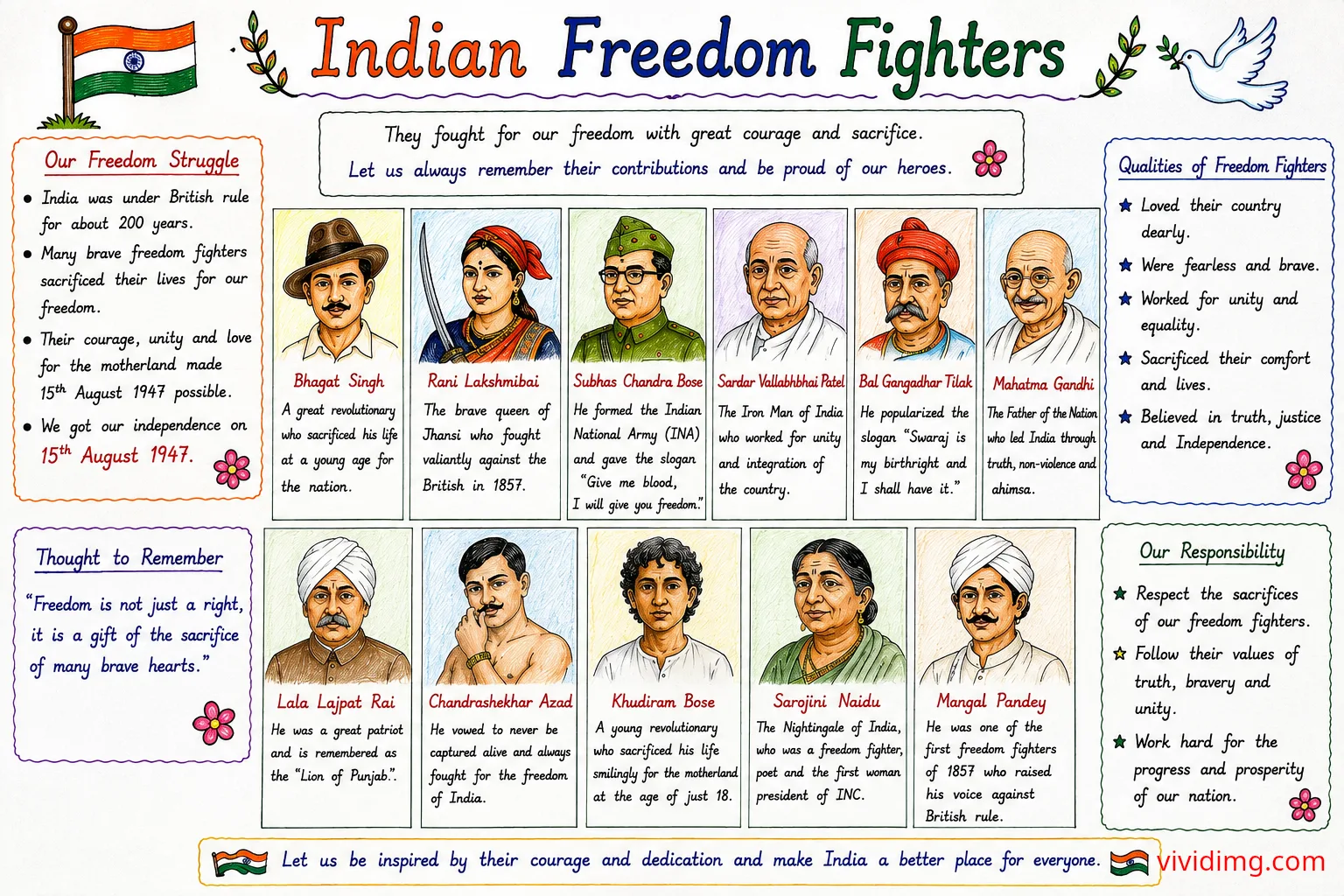
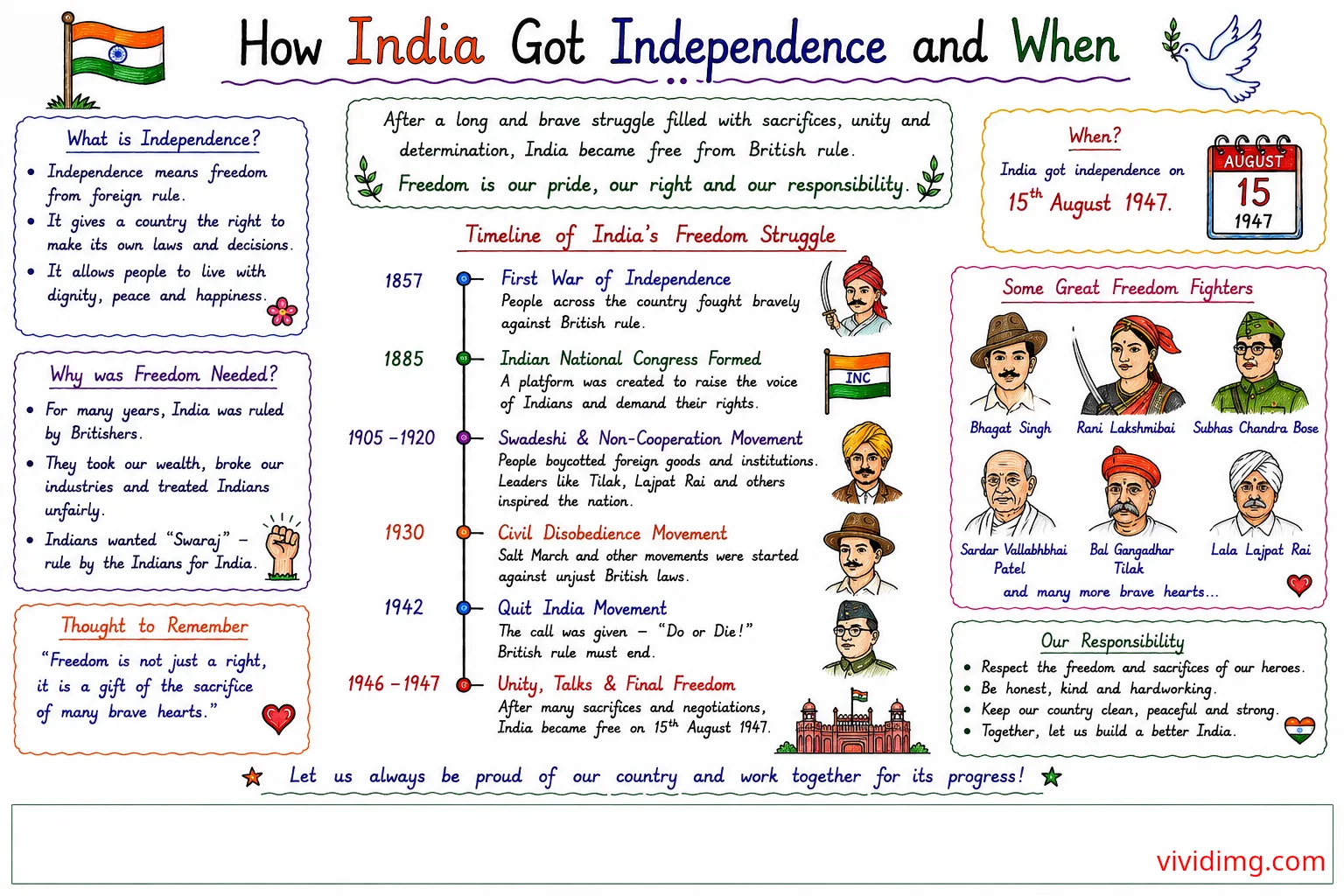
The first meeting of the Constituent Assembly was held on 9 December 1946 in New Delhi. Initially comprising 389 members, the Assembly continued its work even after the Partition of India. Dr. Rajendra Prasad served as the President of the Constituent Assembly, while Dr. B. R. Ambedkar chaired the Drafting Committee and played a pivotal role in preparing the final draft of the Constitution. Other prominent members, including Jawaharlal Nehru, Sardar Vallabhbhai Patel, Maulana Abul Kalam Azad, Alladi Krishnaswamy Iyer, and Hansa Mehta, made significant contributions to shaping independent India.
Over a period of nearly three years, the Assembly debated fundamental rights, the structure of government, citizenship, the judiciary, federalism, and many other constitutional principles. After extensive discussions, the Constitution of India was adopted on 26 November 1949 and came into effect on 26 January 1950 , a day celebrated every year as Republic Day. The Constitution continues to serve as the supreme law of the land, protecting democratic values and the rights of every Indian citizen.
This handwritten educational chart is ideal for history lessons, civics classes, political science, social science, classroom displays, school assignments, Republic Day and Independence Day activities, homeschooling, and competitive exam preparation. With colorful illustrations, handwritten notes, and key facts, it helps students understand the importance of the Constituent Assembly and appreciate the remarkable efforts of the leaders who built the democratic framework of modern India.